
Camping trips are one of the many highlights of summer. Whether you’re going on long, week-long treks through national parks or overnight visits at your local campground, a camping trip is a great way to reconnect with family and friends. However, hot weather and dehydration can quickly disrupt a good time. Let’s take a look at a few ways to stay cool and hydrated during your camping trip, so you can enjoy the outdoors and have a great time.
8 Ways to Stay Cool and Hydrated During Your Camping Trip
When temperatures rise, it’s important to stay cool and hydrated, especially if you’re spending long periods of time outdoors. Feeling overheated or thirsty can make it hard to enjoy your camping trip, but it can also be dangerous to your health. Our bodies need water and dehydration can cause dizziness, fatigue, and confusion, making it difficult to hike or set up camp. High temperatures mean we need more water, too. This knowledge and a few helpful hacks will help you stay cool and hydrated during your camping trip.
1. Bring Lots of Water
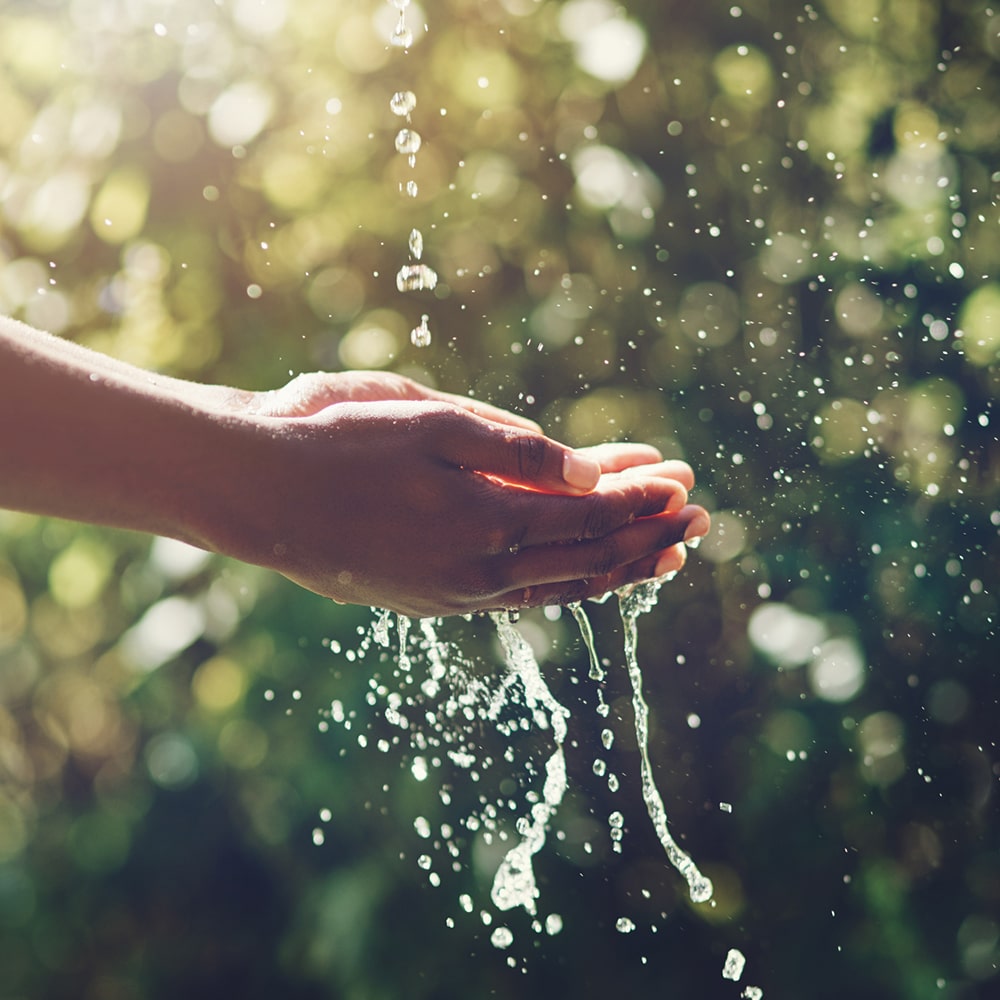
Bringing lots of water is probably a no-brainer when it comes to staying cool and hydrated, but it’s easy to forget. According to the U.S. National Academies of Sciences, Engineering, and Medicine, men need about 15.5 cups (3.7 liters) of water per day and women need about 11.5 cups (2.7 liters) per day.
Our bodies need more water when we’re exercising (like hiking), when we’re in the sun, and when we’re in hot weather. With this in mind, make sure you have enough water for everyone in your party, or know where to quickly and easily get more water.
2. Find Ice and Water Refill Points
When you’re camping, make sure you know where you can get more water and ice quickly. That might mean knowing where or how to get fresh water while you’re hiking a longer route, or knowing where you can buy ice and water near your campsite.
Get ice and water on-the-go
Find your closest ice and water vending machine >
3. Check the Weather for Heat Advisories
As previously mentioned, hot weather can make dehydration and heat stroke worse. Before your camping trip, check the local weather for heat advisories. If you’re likely to encounter extreme heat, make sure you’re drinking more water, taking rests, and adjusting your plans accordingly.
4. Avoid Alcohol
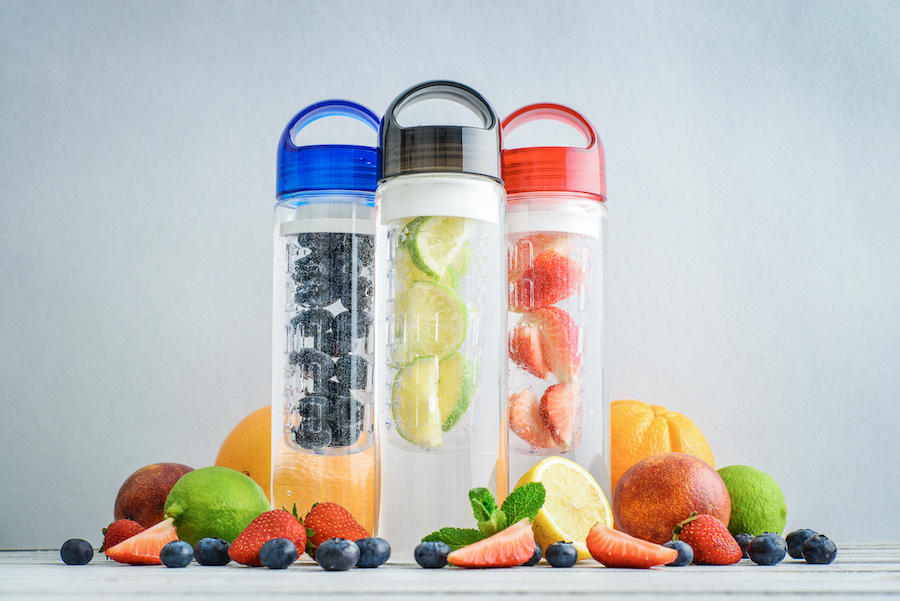
Though it can be fun to have some drinks with friends while camping, it’s important to know that alcohol can make extreme heat feel worse. An important way to stay cool and hydrated during your camping trip is to avoid alcohol during the hottest parts of the day. Consider drinking juice, water, or even non-alcoholic cocktails during the day.
5. Bring Shade
Getting out of the sun is essential for preventing heat stroke and dehydration. The energy from the sun, as well as heat radiated from surfaces like pavement, can make the heat feel more extreme. Make sure you have plenty of shade, like a beach umbrella or canopy, where you can still get fresh air while also getting out of the sun.
6. Use a Fan
Moving air helps with evaporation, which helps our sweat evaporate faster and also cools us down faster. Bringing a small, battery-powered fan can help you keep cool in hot weather. Combined with ice and a cooler, you can even turn a small fan into an DIY air conditioner.
7. Know the Signs of Heat Stress
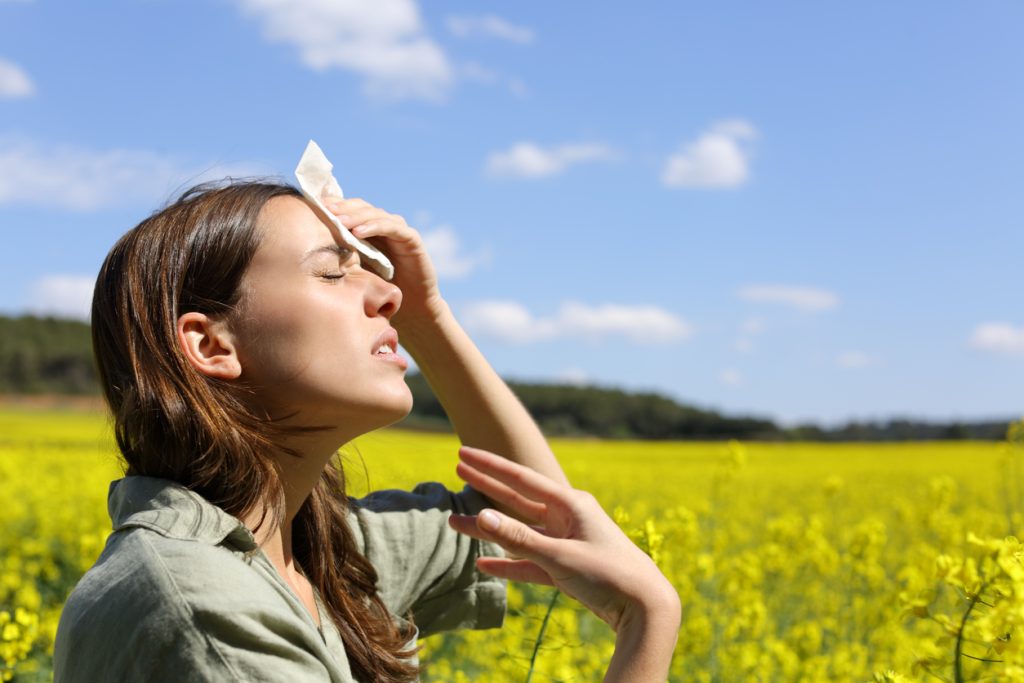
Heat stress and heat-related illness includes a variety of problems that can occur when our bodies simply get too hot. This can include heat stroke, heat exhaustion, rhabdomyolysis, heat syncope, heat cramps, and heat rash. If you or someone you’re camping with experiences dizziness, weakness, nausea, elevated body temperature, cramps, or fainting, they may be experiencing heat stress or heat illness.
If you notice these signs, it’s important to cool down as soon as you can. Get to a shady place, drink cool water, sit down, use a cold compress on the head, face, or neck, and use a fan to get sweat to evaporate and help cooling. If symptoms persist or worsen, call 911.
8. Acclimate to Heat
If you don’t spend much time outdoors or doing physical activity and then you’re suddenly camping in extreme heat, you’ll be more susceptible to heat stress. If you can, get outdoors a bit each day before you go camping. Over a period of one to two weeks, you can acclimate to heat by spending an hour or two outdoors and doing light or moderate physical activity. Then, you’ll be less likely to experience heat stress. However, it’s still important to watch out for the signs previously mentioned.
Though hot temperatures can be unavoidable, you can take some measures to keep yourself and your friends and family cool and well-hydrated. Make sure you have plenty of water and ice with you, know where you can get more, and know the signs of heat stress. Armed with the right supplies and knowledge, you can have a great time in almost any conditions.