
If you have a choice between a lukewarm glass of water sitting on the counter and a cold glass with fresh ice cubes in it, which one are you likely to choose? Most people would choose the cold glass. But why is that? Why does ice make drinks taste better? Or, does it actually impact the taste at all? Let’s take a closer look, and see if we can discover the science behind the answer.
Why Does Ice Make Drinks Taste Better?
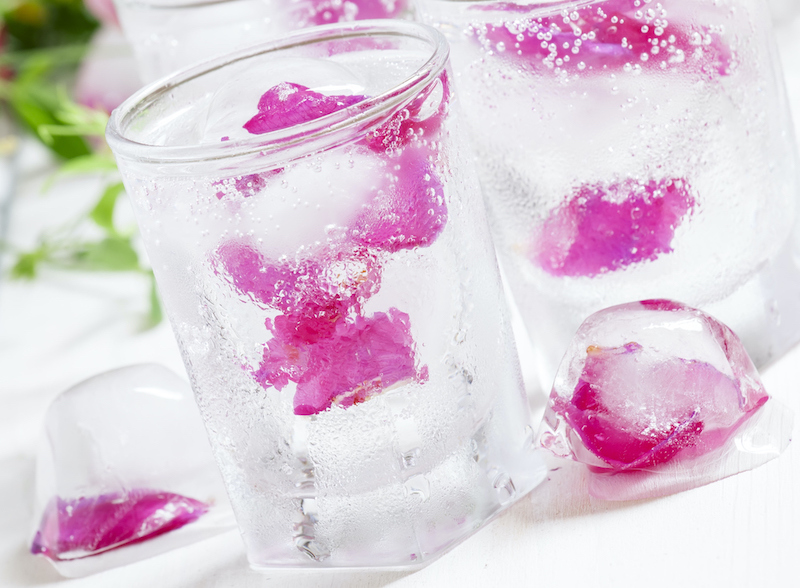
Most people will choose a cold glass of water in lieu of a lukewarm one. However, this does depend a bit on the beverage. Ice can chill just about any drink, and some are certainly better chilled than others. Plenty of cocktail recipes and smoothie recipes require ice, but you certainly wouldn’t put ice in a cup of tea before bed. Similarly, it’s strange to put ice in some other beverages, like milk. Or, if you have sensitive teeth, you might prefer no ice in any drinks.
So, whether or not ice makes drinks taste better depends somewhat on the drink and the person. But, there are a few reasons that ice makes many drinks taste better to many people. Let’s take a look.
Don’t run out of ice for your next party or gathering!
Find your closest ice and water vending machine with the ICE2U app!
1. Ice Enhances Sweetness, Dulls Bitterness
Cold temperatures play a key role in how we experience taste. When a drink is chilled, certain taste receptors on our tongue—especially those that detect bitterness—become less sensitive. At the same time, cooler temperatures can heighten the perception of sweetness and acidity, making flavors feel more balanced and crisp. This is why cold drinks like soda or lemonade often seem more refreshing than their room-temperature counterparts.
A study published in the journal Chemical Senses supports this, showing that our perception of sweetness increases at colder temperatures, while bitterness is suppressed. This interaction between temperature and taste creates a cleaner, more invigorating experience with every sip.
2. Ice Dilutes the Drink (Just Enough)

As ice slowly melts into a beverage, it doesn’t just water it down; it can actually improve the flavor by diluting some of the flavors which might be considered overpowering otherwise. This is especially noticeable in cocktails and spirits. The dilution from melting ice reduces the intensity of alcohol or overpowering ingredients, helping more subtle flavors emerge.
In the case of whiskey, for example, just a splash of water can “open up” the drink and release complex aromatic compounds. Scientists in Sweden actually studied this effect at the molecular level. A bit of water helps to release the guaiacol molecules in Scotch whiskey, in particular, which provide its smokey flavor and aroma. This way, you get to enjoy slightly more flavor and slightly less alcohol taste.
3. Ice Changes the Texture
Temperature doesn’t just influence flavor—it affects how a drink feels in your mouth. Cold beverages tend to feel crisper, more refreshing, and even more hydrating than warm ones. The cooling sensation stimulates the trigeminal nerves in the mouth, creating a physical experience that complements the flavor. That’s why a cold soda feels “sharper” and more energizing than a warm one. Texture plays a crucial role in the overall sensory experience, and ice helps enhance that by giving your drink a refreshing, clean mouthfeel that’s hard to replicate without it.
4. Ice Signals Freshness
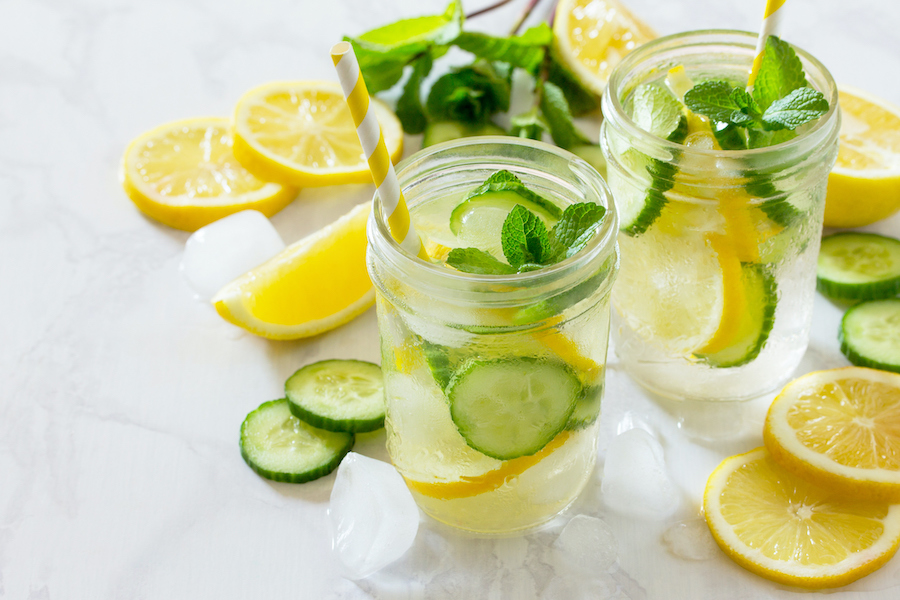
There’s also a psychological component as to why ice makes drinks taste better. We often associate cold, iced beverages with cleanliness and freshness. Most commercials, billboards, magazines, or any type of display you see that uses drinks will show them with ice. All of this primes our brains to associate the sight of clear cubes floating in a drink, condensation on the glass, and the subtle clink of ice with pleasure and refreshment.
Research in consumer psychology suggests that visual and auditory cues can influence taste perception—so when you see and hear ice in a drink, your brain anticipates a higher quality experience. These expectations prime your senses to perceive the drink as more enjoyable, even before your first sip.
5. Ice Helps Maintain Carbonation
For carbonated beverages like soda, sparkling water, and champagne, fizz is key to enjoyment. Ice cubes actually enhance the level of fizz by allowing more bubbles to form and escape.
Have you ever dropped ice cubes into a glass of cola and noticed the foam form on the top? This occurs because the bubbles need tiny imperfections in order to form. This process is called nucleation. Since ice cubes have tiny cracks and imperfections—they’ll immediately have more cracks in imperfections when they hit the relatively warm liquid—they provide more spaces for the fizzy liquid to create bubbles. A similar, though famously much more extreme, interaction occurs between Diet Coke and Mentos, but don’t try that one at home!
So, why does ice make drinks taste better? There’s many reasons, ranging from molecular to psychological, but it’s clear that ice is a key component when it comes to enjoying a variety of beverages. If you’re looking for fresh, clean, refreshing ice on demand for your next party or event, download the ICE2U app to find your closest ice and water vending machine!