
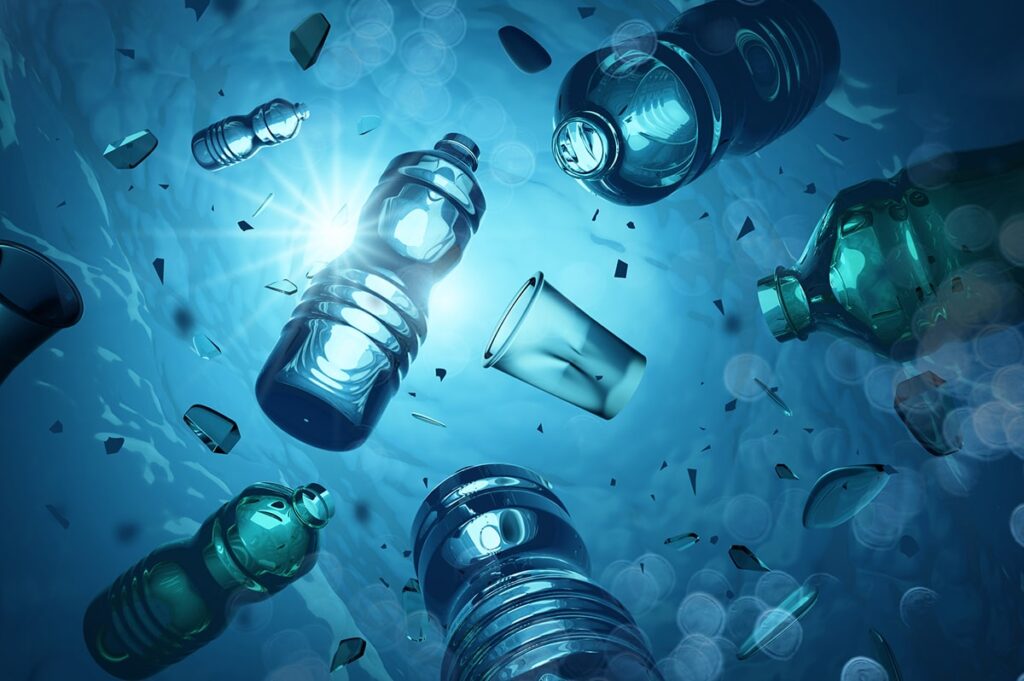
Reducing plastic waste is one of the simplest, but most impactful ways individuals can contribute to a healthier planet. By making the switch away from plastic water bottles, consumers can help reduce pollution, limit plastic waste in landfills, lessen the demand for single-use plastics, and show big businesses that consumers aren’t interested in plastic. If you’re interested in quitting plastic this year, or in simply reducing plastic consumption and waste, plastic water bottles are a great place to start. Let’s take a look at a few ways to stop using plastic water bottles in 2025.
Reducing the Environmental Damage of Plastic Water Bottles
Plastic, single-use drinking bottles are among the top five most common bits of plastic pollution found around the world. Plastic bottle caps are also in the top five. Americans use, on average, about 13 plastic bottles a month, not including things like orange juice, milk, or other containers. Cutting plastic bottles can mean eliminating 156 bottles a year! That’s 156 bottles that aren’t causing great environmental damage; filling up landfills, killing animals, producing harmful pollution during plastic production and shipping, creating microplastics, and more. Any single plastic bottle you avoid means avoiding all of these negative effects.
Taking Money Out of Plastic Polluters’ Pockets
Avoiding plastic bottles also means taking your hard-earned dollars out of the hands of plastic producers—like megacorporations ExxonMobil and the Dow Chemical Company, which produce large percentages of raw plastic—and plastic polluters—like Coca-Cola, Pepsi, and Nestle, which turn raw plastic into most of the single-use plastics polluting the world. These companies are each worth hundreds of billions of dollars, and make tens of billions each year from us, consumers. They have the most resources and the most ability to make the most impact on the plastic problem humanity faces, but consistently spend millions to oppose efforts to reduce plastic waste.
With all of this in mind, let’s take a look at some ways to stop using plastic water bottles in 2025. Whether you just use a few plastic water bottles or you find yourself using lots, now is a great time to start looking at alternatives.
Ready to ditch plastic water bottles?
Find your closest ice and water vending machine using ICE2U!
6 Ways to Stop Using Plastic Water Bottles in 2025

1. Invest in a Reusable Water Bottle
One of the most effective ways to stop using plastic water bottles in 2025 is to invest in a high-quality reusable water bottle that you love. A durable bottle made of stainless steel, glass, or BPA-free plastic can last for years, reducing the need for disposable bottles.
To make things even easier, consider keeping multiple reusable bottles in different locations—one in your gym bag, another in your car, maybe a couple at home—so you always have one on hand. Find your closest refillable water station or plastic-free water vending machine so you can fill up your bottles on-the-go.
If you want to cut down further on plastic waste, check out thrift stores for secondhand reusable bottles instead of purchasing new ones. As water bottle trends come and go, many high-quality water bottles end up on thrift store shelves when they’re no longer “in.”
2. Seek Out Alternative Packaging

For those moments when you need to buy water on-the-go, look for brands that use alternative packaging. Canned water seller Liquid Death, for example, began as an over-the-top alternative beverage for those who didn’t want to drink alcohol or energy drinks at concerts and other events. It’s since become a widespread packaged alternative to plastic water bottles. Choosing canned water or water in other types of packages also sends a message to companies that consumers care about sustainable packaging and encourages the industry to move away from plastic.
3. Refill and Reuse Containers
Another simple way to cut down on plastic bottle use is to refill and reuse containers you already have. We all get a few single-use cups and bottles sometimes, like cups from take-out orders or quick convenience store stops. Instead of throwing containers from previous purchases, simply rinse and reuse them. Keep in mind that plastic bottles and cups do break down over time and can leach BPAs into your drink, so it’s not a good idea to use them too long, put them in the dishwasher, expose them to sunlight, or use a bottle that’s looking rough.
4. Use Public Water Stations and Filtration Systems
In many cities, public water fountains and refill stations are becoming more common. Take advantage of these free resources to fill your reusable bottle instead of purchasing bottled water. If you’re concerned about water quality at home, consider investing in a water filtration system, such as a faucet filter, pitcher filter, or a whole-house filtration system, to ensure clean drinking water without the need for plastic bottles.
5. Encourage Businesses and Events to Offer Sustainable Options
Advocating for change at work, in schools, or at public events can also help reduce plastic waste. Many businesses and event organizers are open to offering water refill stations or selling canned or boxed water if there is enough consumer interest. By speaking up and supporting organizations that prioritize sustainability, you can help influence larger systemic changes.
6. Advocate for Change

You’re not the only one that’s looking for ways to reduce plastic. Many organizations, like Break Free From Plastic, Consumers International, and the Plastic Pollution Coalition, among others, are filled with concerned consumers who want to limit or stop the production of single-use plastics globally. These organizations seek to hold plastic polluting and producing businesses responsible for their actions and inaction, and move the world towards a plastic-free future. If reducing your own plastic waste seems trivial or you’re feeling powerless, supporting these organizations may help you feel like your voice has more impact.
It is possible to stop using plastic water bottles in 2025. Even if it’s a small start or seems like a small impact, cutting down on plastic waste has multiple, positive impacts, and it’s worth trying. By making small, conscious choices, we can all support a plastic-free future and stop putting money into the hands of plastic polluters. With the right mindset and habits, quitting plastic water bottles can be an easy and rewarding transition.